morality play
Definition
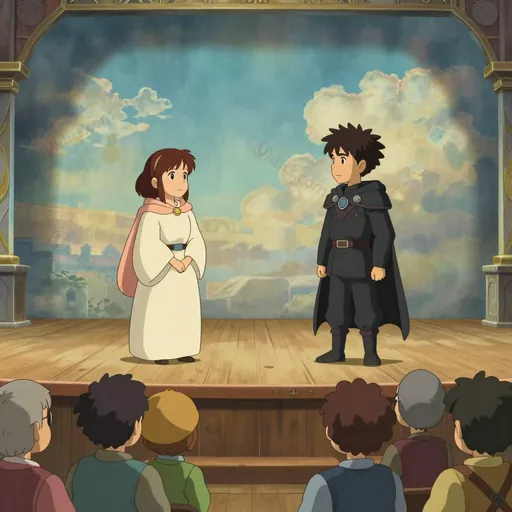
Noun: A type of allegorical drama that was especially popular in Europe during the 15th and 16th centuries. In a morality play, abstract qualities, such as virtues (e.g., Good Deeds, Charity) and vices (e.g., Greed, Vice), are personified as characters. The central plot typically involves a struggle for the human soul, representing a moral or religious lesson for the audience.
Examples of Usage
Advanced Usage
- The term is sometimes used metaphorically in modern contexts to describe a situation, story, or conflict that is seen as a simple battle between clear-cut good and evil.
- The political campaign was framed by the media as a simplistic morality play, ignoring the complex policy issues.
Variants and Related Words
- Morality (n): Principles concerning the distinction between right and wrong or good and bad behavior. (This is the abstract concept from which the play genre derives its name).
- Interlude (n): A short play or performance, some of which were moral in nature, emerging around the same period.
- Mystery play (n): A different genre of medieval drama based on biblical stories, often contrasted with the morality play.
- Allegory (n): A story, poem, or picture that can be interpreted to reveal a hidden meaning, typically a moral or political one. (This describes the narrative form of a morality play).
Synonyms
- Allegorical drama
- Ethical play
- Moral interlude (historical context)
Related Idioms and Phrases
- A modern-day morality play: A phrase used to describe a contemporary event or narrative that resembles the stark, personified conflict of good versus evil found in the historical plays.
- The courtroom drama was described by critics as a modern-day morality play about corporate greed.
Noun
-
an allegorical play popular in the 15th and 16th centuries; characters personified virtues and vices